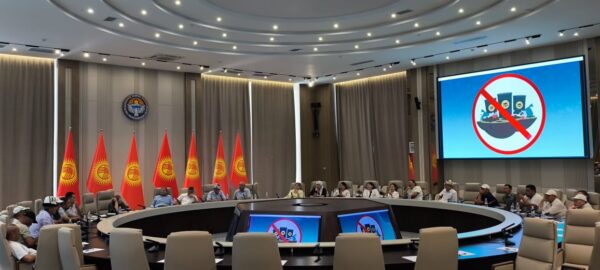
The safe handling of hazardous chemicals remains a key environmental policy issue for many countries worldwide. Kyrgyzstan is no exception. Although the use of a number of hazardous substances ceased decades ago, the consequences of their use continue to impact the environment and require consistent action by the government, the scientific community, and local residents.
One such problem is obsolete pesticides and persistent organic pollutants (POPs), which include the well-known DDT.
In the second half of the 20th century, DDT and other pesticides were actively used in agriculture to control pests and increase crop yields. At that time, these substances were considered an effective tool for agricultural development.
However, subsequent scientific research has shown that many of them are highly persistent in the environment. Such substances can persist in soil and other natural components for many years, accumulate in living organisms, and negatively impact human health and ecosystems.
As a result, the international community has adopted a number of agreements aimed at reducing and eliminating the use of the most hazardous persistent organic pollutants. Kyrgyzstan is a participant in these processes and is consistently implementing measures to fulfill international obligations in the area of chemical safety.
Why is this topic important today?
Sites associated with the historical storage of obsolete pesticides remain throughout the country. Some of these were created decades ago, when environmental safety requirements differed significantly from modern standards.
Even if these sites are not in use, they require constant attention, risk assessment, and measures to ensure the safe handling of potentially hazardous substances.
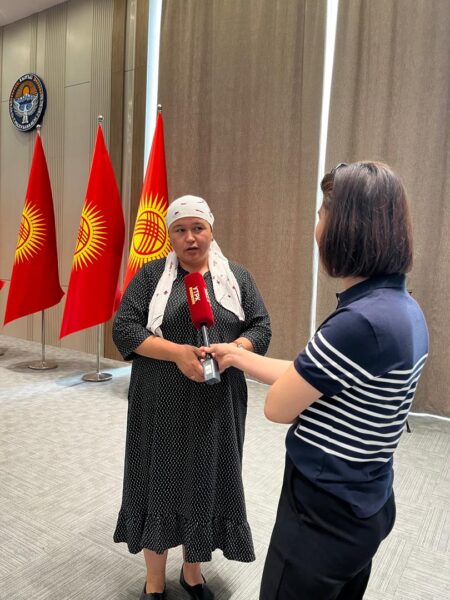
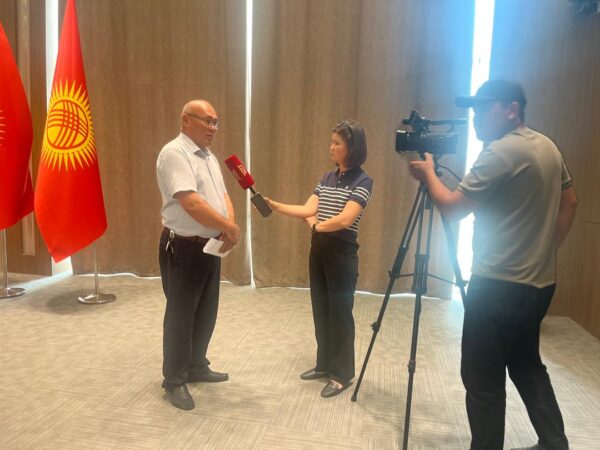
Engagement with the population living near such sites is particularly important. People should have reliable information about the potential risks, understand the measures being taken by the government and international partners, and know how to minimize potential impacts on health and the environment.
To address these issues, the project “Demonstration of Non-Thermal Treatment of DDT-Containing Waste in Central Asian Countries (Kyrgyz Republic and Republic of Tajikistan)” is being implemented in Kyrgyzstan.
The project is being implemented by the BIOM Environmental Directorate with the support of the Global Environment Facility (GEF) and the United Nations Environment Programme (UNEP) and aims to strengthen national capacity for the environmentally sound management of hazardous waste and persistent organic pollutants.
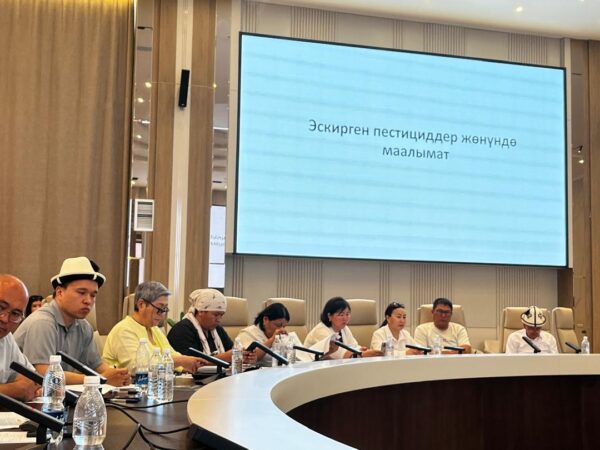
One of the key areas of work is public awareness and stakeholder engagement in decision-making. The project will include national and local information campaigns, public meetings, educational events, and research into the public’s knowledge, attitudes, and practices regarding chemical safety.
Particular attention will be paid to communities located near facilities storing obsolete pesticides.
Environmental safety depends not only on technical solutions and government programs. The knowledge and actions of citizens themselves are also crucial.
Understanding which substances may pose a hazard, how they impact the environment, and how to reduce potential risks helps make more responsible decisions at both the family and community level. Raising awareness fosters a culture of environmental responsibility, strengthens interactions between government agencies, experts, and local residents, and increases the effectiveness of measures taken to protect public health and the environment.
Shared Responsibility for a Safe Future
The problem of obsolete pesticides is a legacy of the past, but its solution requires joint efforts today. Government agencies, the scientific community, international organizations, local governments, and residents themselves play a vital role in ensuring environmental safety.
This is why open dialogue, access to reliable information, and local community participation are essential to reducing risks and preserving a healthy environment for current and future generations.