
BIOM participated in the Regional Ecological Summit RES 2026 in Astana
On April 24, 2026, in Astana, the chairman of the Ecological Movement “BIOM,” Vladimir Korotenko, participated in a panel discussion as part of the Regional Ecological Summit 2026 (RES 2026).
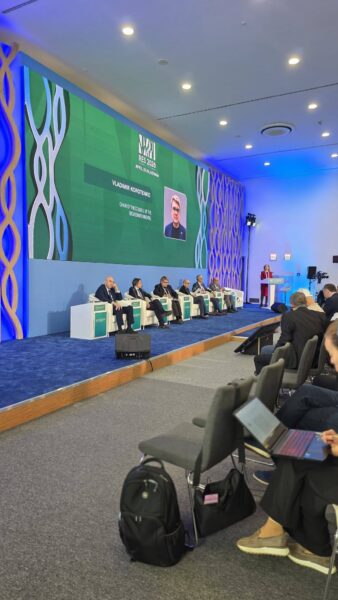
The Regional Ecological Summit took place from April 22 to 24 in the capital of Kazakhstan and brought together representatives from Central Asian states, international organizations, financial institutions, the scientific community, and civil society to discuss joint solutions in the areas of climate, ecological sustainability, and sustainable development of the region.
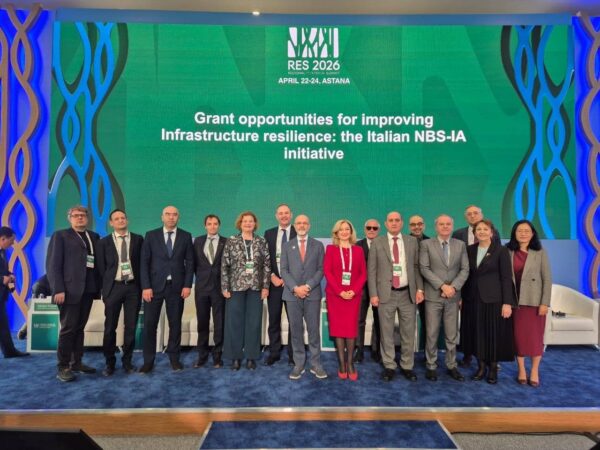
Vladimir Korotenko spoke during the session “Grant Opportunities for Enhancing Infrastructure Resilience: Italian Initiative NBS-IA”, dedicated to the application of nature-based solutions (Nature-Based Solutions, NbS) to enhance the resilience of infrastructure to climate risks.
The Nature-Based Solutions Innovation Accelerator (NBS-IA) initiative is implemented by the Italian Ministry of the Environment and Energy Security in collaboration with the United Nations Environment Programme (UNEP) and the Organisation for Economic Co-operation and Development (OECD). During the session, funding opportunities for pilot projects in Central Asia and approaches to utilizing natural ecosystems to mitigate the risks of droughts, floods, land degradation, and other consequences of climate change were presented.
The panel discussion included representatives from international financial institutions, scientific and environmental organizations from Central Asia and Europe.
In his speech, Vladimir Korotenko emphasized the special role of national organizations capable of linking local experience and community needs with international programs and systemic solutions.
For Central Asian countries, this approach is particularly important: issues of water, ecosystems, climate resilience, and infrastructure require solutions based not only on international tools but also on a deep understanding of the local context and practical experience.
Sustainable changes become possible where a connection arises between local initiatives, expert knowledge, government mechanisms, and international resources.