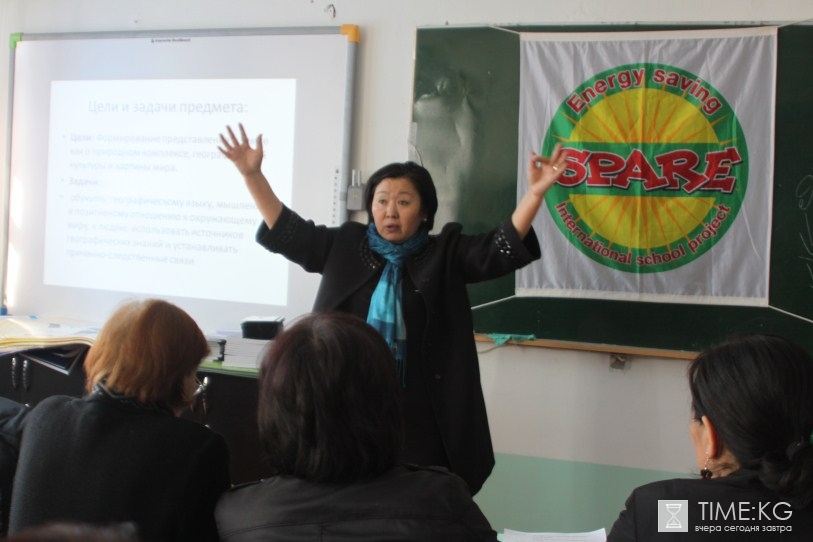
The theme of the seminar, organized by the Ecological Movement “BIOM” in partnership with the Kyrgyz Academy of Education, took place on March 26, 2015, at Lebedinovskaya School-Gymnasium No. 1 in the Alamudun district of the Chui region.

Education is a tool for implementing the National Strategy for Sustainable Development, which the Kyrgyz Republic has adopted for the future. Therefore, it is important to draw attention to a new sustainable lifestyle for all citizens of the country, especially those who work in the education field.
A new life position among students is formed precisely through changing teachers’ attitudes towards implementing sustainable energy principles in society. In this context, the international educational program SPARE aims to train teachers in the implementation of sustainable energy principles. To this end, the Ecological Movement “BIOM” organized this seminar.

Today, it is not enough for a teacher to be educated; they must also be environmentally educated. Environmental education is part of a person’s overall culture.

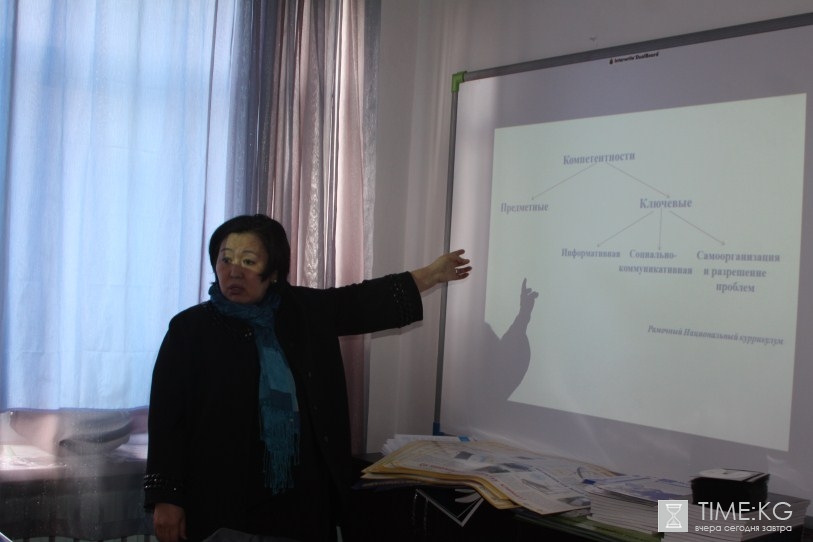
ED “BIOM,” within the framework of the SPARE project, conducts training for school teachers in the form of seminars for experience exchange and capacity building. For example, Kaliman Junushalieva from KAO introduced the attendees to new guidelines for natural science education, specifically discussing the formation of competencies, sustainable development, and social security. The coordinator of ED “BIOM,” Alfiya Nasirova, spoke about education for Sustainable Development: concepts, opportunities, and current challenges.
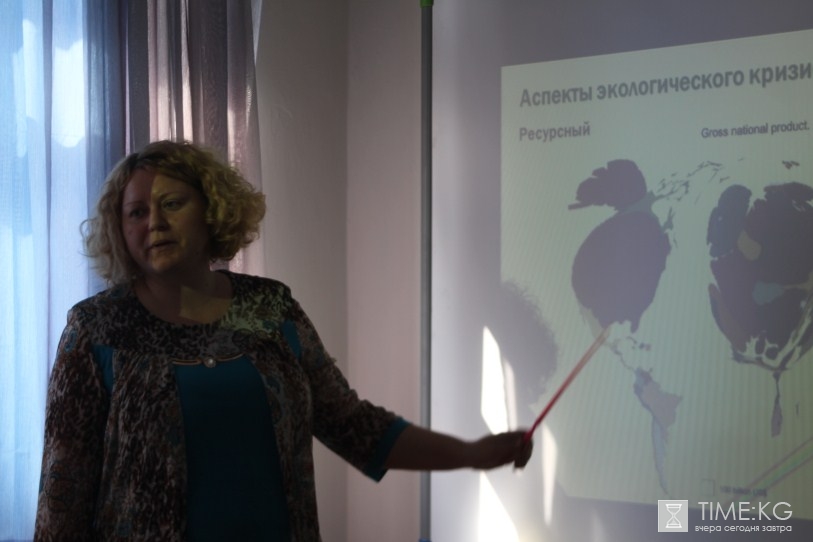
“The ecological crisis poses the necessity of setting new goals in environmental education. We need to prepare a new generation of young people for life in a world of globalization, where the world of consumption and the economy of short-term gains undermine the foundations of Life on Earth at every moment,” said Alfiya Nasirova. “Aspects of this crisis include resource crises, destruction of natural ecosystems, and challenges in eco-education.”

What could the prospects for the development of eco-education consist of? What needs to change in its content? In response to these questions, school teachers prepared answers in tabular form and thus presented their responses “visually” to the entire audience. This was followed by a lively discussion of all aspects of education for Sustainable Development.
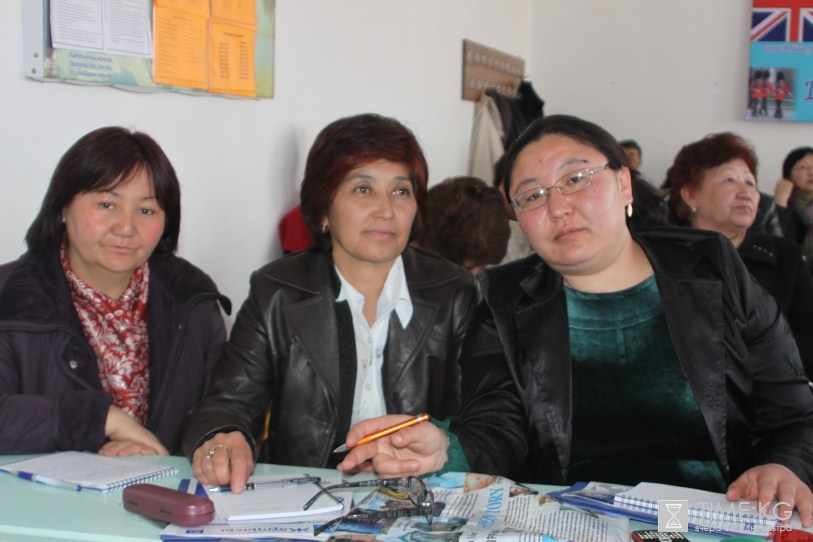
During the discussion, together with the trainer, various practical examples were analyzed, gradually leading to an understanding of the Sustainable Development Concept. This is a new ecological paradigm based on the intrinsic value of nature, care for all living organisms, including people and future generations. It excludes the possibility of putting people and nature at risk of any kind of danger. It recognizes that there are limits defined by the biosphere that society must consider to avoid transgressing them. Society must rely on post-material values.

“We must include issues of Sustainable Development in the content of education at all levels, namely issues of climate change, energy efficiency, the use of renewable energy sources, environmental safety, prevention of emergencies, etc. Another requirement of the time is to include in the content of education the principles of ‘green’ economy to form a model of ‘education for sustainable development,'” said Alfiya Nasirova. “A modern teacher must teach their students to live in a society with constantly emerging risks. This means that secondary school teachers need new skills in working with information and identifying potential dangers, etc.”

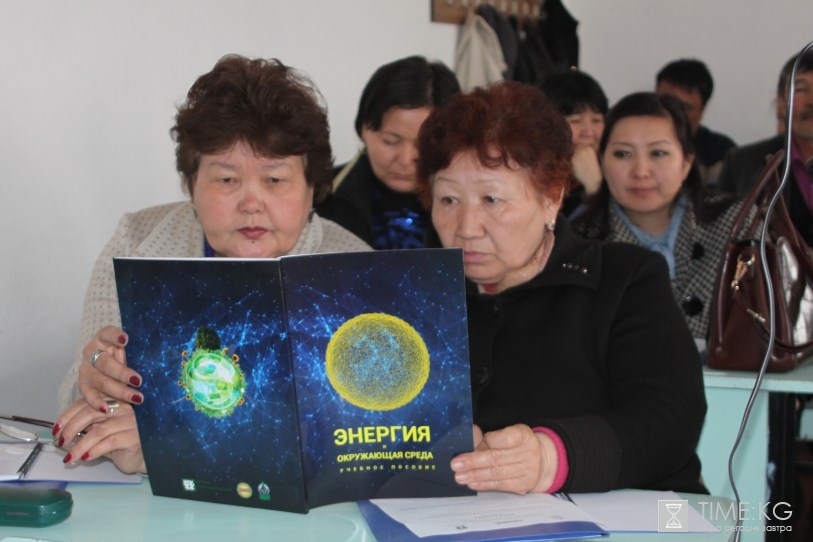
With this aim, the seminar included a practical workshop on lesson development using the manual “Energy and the Environment.” Thus, the event organizers managed to create a small communication platform for discussing the competency-oriented standard built around the principles of sustainable development, energy efficiency, and safety. “This seminar is very useful for teachers,” says the director of secondary school No. 2, Lyudmila Egorovna Noskova. “Today, there is little literature that assists teachers in incorporating sustainable development issues into their lesson content. It turns out that we are fortunate to keep up with the times.”

At the end of the event, participants received CD discs with information about what Education for Sustainable Development is. As educational materials on sustainable development issues for additional education structures, they were given informational newsletters and informative posters developed by the Ecological Movement “BIOM” as part of the educational component of SPARE and the “Clean Energy” project.
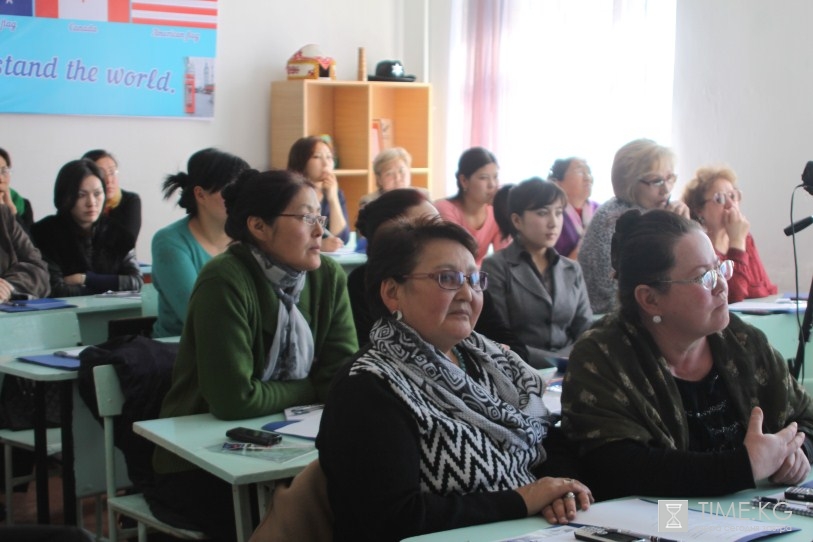
Geographer Nadezhda Fedorovna Selezneva from the secondary school in the village of Nizhnyaya Ala-Archa thanked the organizers on behalf of all seminar participants: “You have armed us with new knowledge and handouts, which are very necessary for us in our challenging and responsible work.”

Certificates were awarded to all teachers who participated in the seminar “Issues of Sustainable Development, Energy Efficiency, and Environmental Safety in the School and Extracurricular Education System.”